Play details
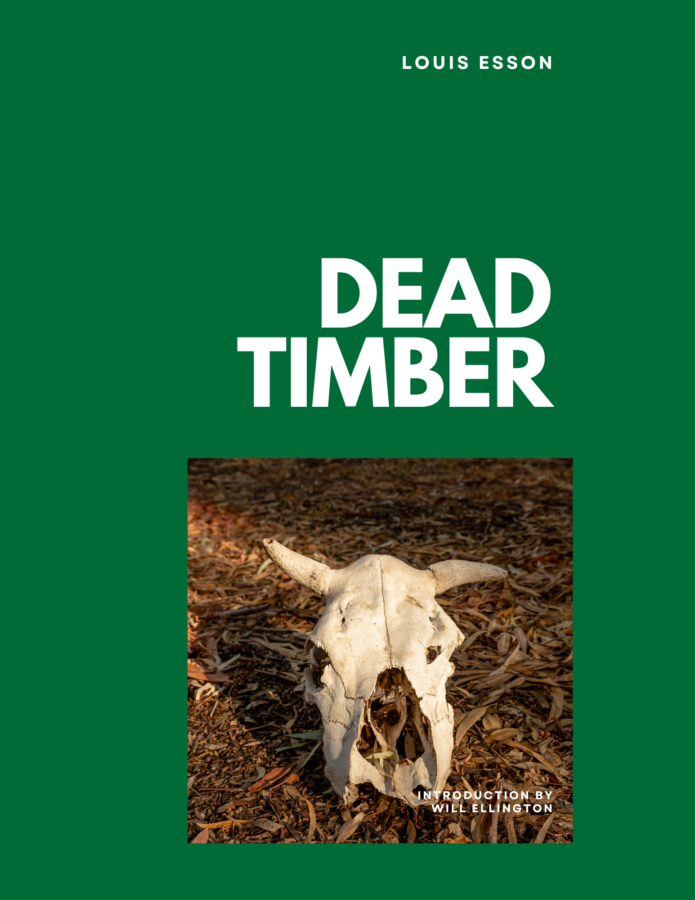
| Playwright | Louis Esson |
| First published | 1911 |
| Period | Early 20th century |
| Location | Gippsland, Southern Victoria, Australia |
| Format | One-act play |
| Cast size | 5 (3 M / 2 F) |
| Genre(s) | Tragedy, Bush Realist Drama |
Introduction to Dead Timber
Louis Esson’s Dead Timber is a stark one-act bush tragedy that helped define the early direction of “national” Australian drama in the years before and after Federation. First produced in 1911 and published the same year, the play quickly gained a reputation for its grim, pared-back power. Later it was gathered into Esson’s collection Dead Timber and Other Plays (1920), confirming its place in his dramatic output.
Esson (1878–1943) was a Scottish-born Australian poet, journalist, critic, and playwright who became associated with the push for a distinctly Australian theatre. He emigrated to Melbourne as a child and worked for years in journalism and literary criticism, while also writing verse and plays. A key influence on his theatrical ambition was his contact with Irish cultural nationalism and playwrights such as W. B. Yeats and J. M. Synge, who urged him to draw on local material rather than imitate imported models—advice that helped steer him toward the bush, the city’s working life, and the vernacular speech of ordinary Australians. In the 1920s he would also help found Melbourne’s Pioneer Players, dedicated to producing Australian plays and nurturing a local repertoire.
Set on a struggling Gippsland selection, Dead Timber unfolds over a single winter morning outside a slab hut, amid mud, stumps, and the “dead timber” that gives the play its title. The plot follows a family under crushing pressure: an ageing selector (the “Farmer”) battling debt, weather, and exhaustion; a worn, practical Wife who tries to hold everyone together; two sons, one a child chafing at authority, one older and treated as “half-witted,” and Mary, the daughter whose longing for escape collides with her father’s strict moral code. When Mary reveals she is pregnant, the father’s terror of “disgrace” escalates into violence and despair, culminating in a devastating act that seals the family’s ruin.
Stylistically, the play is notable for its plain, unsentimental realism. Esson builds meaning through concrete details of work, milking, bogged roads, sick cattle, alongside dialogue shaped by Australian idiom and rural rhythms. There is no romanticised bush heroism here. Instead, the landscape functions almost like a pressure system, intensifying conflict until the family breaks. In that sense, Dead Timber is both a social document and tragedy; a compressed portrait of isolation, patriarchal authority, and the psychological cost of “making a go of it” on marginal land. It’s an early example of the bleak outback drama that later became a recurring strain in Australian theatre.